Summary:
• Professional mold remediation follows a structured sequence — inspection, containment, removal, and clearance — that DIY cleaning cannot replicate safely.
• Skipping any phase, especially moisture source control, causes mold to return within days.
• Qualified local specialists handle the full process from assessment through post-remediation verification.
Mold remediation done correctly eliminates active growth, addresses the moisture source driving it, and restores safe indoor air quality — all in a defined sequence that protects both occupants and the structure itself.
Why Mold Demands a Structured Response
When mold growth occurs in buildings, adverse health problems may be reported by some building occupants, particularly those with allergies or respiratory problems. The risk extends beyond discomfort. Molds can produce allergens that can trigger allergic reactions or even asthma attacks in people allergic to mold. Structural damage compounds the health concern: mold can pose serious health risks and structural damage to your property if left untreated.
A key distinction matters before any work begins. “Mold removal” is a marketing phrase that implies complete elimination of all mold organisms, but remediation protocols are governed by measurable outcome thresholds, while removal claims are not. Professional mold remediation Regina services follow those outcome-based thresholds rather than vague promises of total elimination.
The Core Remediation Steps, in Order
Mold remediation operates through five mechanically distinct functions that must occur in a defined sequence: moisture source control, containment establishment, contaminated material removal, surface treatment, and environmental clearance verification. Skipping or reordering these phases produces predictable failure modes.
Here is how each phase works in practice:
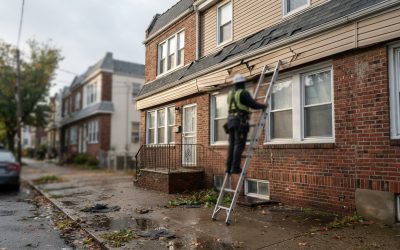
1. Inspection and damage assessment — Technicians identify visible growth, hidden moisture pockets, and the original water intrusion point. The process includes inspecting the property to identify mold damage and assess the extent of the infestation.
2. Moisture source control — The remediation plan should include steps to fix the water or moisture problem, or the problem may reoccur. According to the U.S. EPA’s mold remediation guidance, source identification and moisture control must come first — locate and eliminate all active water intrusion or humidity sources before any physical remediation begins. The EPA states explicitly that remediation will fail without this step.
3. Containment setup — Physical barriers and negative air pressure chambers are used to contain mold spores and prevent further spread. The plan should cover the use of appropriate personal protective equipment and include steps to carefully contain and remove moldy building materials to avoid spreading the mold.
4. Contaminated material removal — Porous materials that cannot be cleaned — drywall, insulation, soft furnishings — are removed and sealed for disposal. In some cases it may be necessary to discard damaged materials and seal them in plastic bags to prevent the spread of mold, particularly for materials that are heavily contaminated or have been exposed to contaminated water.
5. Surface treatment and drying — Remaining structural surfaces are treated with antimicrobial agents and dried to industry-standard moisture levels.
6. Clearance verification — Post-remediation testing confirms that spore counts have returned to normal ambient levels before containment barriers come down.
When to Call a Professional vs. Attempt DIY
|
Situation |
DIY Appropriate? |
Professional Needed? |
|
Spot growth under 10 sq ft, non-porous surface |
Possibly |
Optional |
|
Growth 10-100 sq ft on drywall or framing |
No |
Yes |
|
Growth over 100 sq ft or HVAC involvement |
No |
Yes — immediately |
|
Contaminated water source (sewage, flooding) |
No |
Yes |
According to the EPA, you should not attempt a mold cleanup yourself if the mold covers more than 10 square feet, if the mold was caused by contaminated water, if the mold has gotten into the HVAC system, or if you have health issues that can be affected by additional exposure. When in doubt, an inspection costs far less than remediation that fails and requires a repeat.
Choosing a Qualified Remediation Contractor
Credentials and process transparency separate reliable contractors from unreliable ones. If you choose to use outside contractors or professionals, make sure they have experience cleaning up mold, check their references, and have them follow the recommendations presented in EPA guidance and guidelines from professional organizations.
APEC Restoration and Renovations is dedicated to providing expert services in disaster restoration, including water, fire, and wind damage repair, and also specializes in hazardous abatement, offering services such as asbestos removal, lead abatement, and mold removal. Their mold remediation specialists are highly trained to safely remove mold and restore affected areas, responding quickly to mold infestations and utilizing advanced techniques to detect the water source, isolate the affected area, and clean up mold spores effectively.
Frequently Asked Questions
How long does professional mold remediation typically take? Scope drives timeline. Small contained jobs may finish in one to two days. Larger infestations involving structural materials or HVAC systems can take a week or more, depending on drying time and clearance testing results.
Does remediation guarantee mold will not return? No reputable contractor can guarantee permanent absence of mold. What remediation does guarantee is elimination of the active colony and correction of the moisture conditions that caused it — removing the conditions for regrowth.
Is mold remediation covered by home insurance? Coverage depends on the cause. Sudden water damage events such as burst pipes are often covered; long-term neglect or gradual leaks typically are not. Review your policy and document all damage before work begins.
What is the difference between mold testing and mold inspection? A visual inspection identifies visible growth and moisture sources. Air or surface sampling (testing) quantifies spore types and concentrations. Testing is most useful post-remediation to confirm clearance, not as a first step.
If you suspect mold growth in your home, acting quickly limits both health exposure and structural repair costs. Contact APEC Restoration and Renovations to schedule an inspection and get a clear assessment of what your property needs.