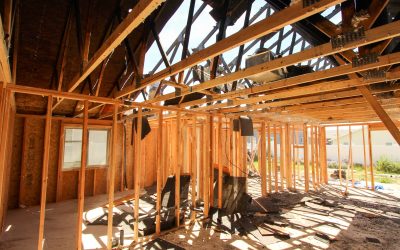
Severe weather in Queens can tear off shingles, crack siding, and push water into spaces that were never meant to get wet. Storm damage restoration in Queens, NY exists to stop that damage from spreading and to return a home to a safe, livable condition through inspection, protective measures, and structural repair.
Homeowners searching for help after a storm typically want three things fast: someone to stop ongoing damage, a clear explanation of what is affected, and a repair plan that will not fall apart later. Storm Damage Restoration Queens NY services are built around that sequence, starting with securing the property and ending with full reconstruction where needed. Dart Restoration Corp, a family-owned construction and restoration company, is one of the providers serving Queens with this type of work.
What Happens During Storm Damage Restoration
Storm damage restoration is not a single task. It is a sequence of steps that depend on how severe the event was and which parts of the home were exposed.
Typical phases include:
• Initial inspection to identify visible and hidden damage
• Emergency board-up of broken windows, doors, or roof openings
• Water extraction and drying if rain or flooding entered the structure
• Structural assessment of roofing, siding, and framing
• Repair or replacement of damaged materials
Dart Restoration’s documented storm and windstorm services note that severe weather can cause damaged windows, roof leaks, and flooding, all of which require rapid treatment, and that a storm damage response should handle both visible and concealed damage caused by strong winds, rain, or snowfall.
Why Speed Matters After a Storm
Delays between storm impact and professional response often cause more harm than the storm itself. Water that sits inside walls or under flooring for even a day can trigger mold growth, warped materials, or weakened framing.
According to FEMA guidance on hazard preparedness, residents should document property damage and take protective action quickly rather than waiting, since conditions inside a damaged structure can continue to deteriorate. This is one reason emergency board-up and water removal are treated as the first priorities in most restoration workflows, before cosmetic repairs begin.
Common Storm Damage Issues in Queens Homes
Queens properties face a specific mix of risks tied to density, building age, and proximity to coastal weather patterns.
|
Damage Type |
Common Cause |
Typical First Response |
|
Roof leaks |
Wind-lifted shingles, fallen branches |
Tarping and interior moisture check |
|
Siding cracks or gaps |
High wind velocity, debris impact |
Temporary sealing, panel inspection |
|
Window or door breaches |
Storm-driven debris, pressure changes |
Emergency board-up |
|
Interior water intrusion |
Exterior breach allowing rain entry |
Extraction and drying equipment |
Dart Restoration’s windstorm service page notes that exterior damage may result in interior water damage, which is why exterior fixes and interior drying are often handled as a connected process rather than two separate jobs.
Choosing a Restoration Approach That Fits the Damage
Not every storm event needs the same level of response. A narrow case of cracked siding panels is different from a roof breach that let rain into multiple rooms.
Three questions can help homeowners gauge the right scope of work:
1. Is water actively entering the home, or has the opening already been sealed informally?
2. Are structural elements like framing or subfloor affected, or is the damage limited to surface materials?
3. Has standing water been present long enough to raise mold concerns?
Dart Restoration’s siding-focused page confirms the company handles projects where only a few panels have been damaged by a storm or a localized accident, which suggests restoration work can scale from minor repairs to larger structural jobs depending on what the inspection finds.
FAQ
How soon should storm damage be inspected after a storm passes? Inspection should happen as soon as it is safe to do so, since unresolved openings or trapped moisture can worsen quickly.
Does storm damage restoration include roof and siding repair? Yes. Restoration work commonly covers roofing, siding, and window repair alongside interior drying when storms cause both exterior and interior damage.
Is emergency board-up part of storm damage restoration? Board-up is typically one of the first steps, used to secure broken windows, doors, or roof openings until permanent repairs can be completed.
Can a small, localized storm repair be handled without a full renovation? Often yes. Restoration providers frequently handle limited damage, such as a few affected siding panels, without requiring a complete rebuild.
Storm damage rarely announces itself all at once. A cracked shingle or a loosened panel can look minor on the surface while quietly letting moisture into a home’s structure. Acting on visible warning signs promptly, and working with a restoration provider that inspects thoroughly before repairing, gives Queens homeowners the best chance of avoiding costlier problems later. For homeowners ready to have a property assessed after a storm, Dart Restoration Corp offers a starting point for understanding the scope of repair work needed.