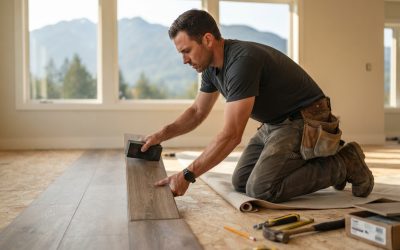
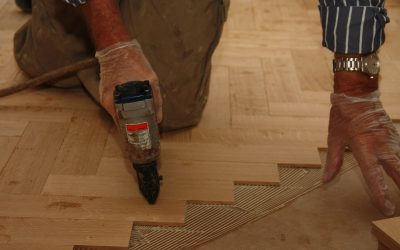
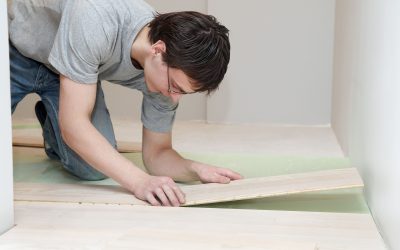
• Overland Park homeowners choosing hardwood should weigh species, plank width, and room humidity before comparing stores on price or selection.
• Solid and engineered hardwood differ mainly in moisture tolerance and where each can be installed.
• A Hardwood Floor Store In Overland Park KS can help match flooring to your subfloor, climate control setup, and daily household wear.
Homeowners searching for hardwood in Overland Park are usually trying to answer one of two questions: which type of wood floor fits their home, or where to buy it locally at a fair price. Both questions matter, because the right product choice depends on the subfloor, moisture levels, and how a room gets used day to day.
A Hardwood Floor Store In Overland Park KS typically stocks both solid and engineered hardwood, which gives shoppers a chance to compare options side by side rather than relying on online photos alone. Seeing plank width, grain pattern, and finish sheen in person helps avoid mismatches between what looks good in a showroom and what fits an existing room’s trim and lighting.
Solid vs. Engineered Hardwood: What Actually Differs
The core difference between solid and engineered hardwood comes down to construction and moisture tolerance, not just price.
• Solid hardwood is milled from a single piece of wood and can be sanded and refinished multiple times over its life.
• Engineered hardwood uses a hardwood veneer layered over plywood or composite core, which makes it more dimensionally stable in fluctuating humidity.
• Installation location matters: solid wood is generally avoided in basements or over concrete slabs, while engineered options tolerate those settings better.
| Feature | Solid Hardwood | Engineered Hardwood |
| Moisture stability | Lower | Higher |
| Refinishing potential | Multiple times | Limited (thin veneer) |
| Best installation areas | Above-grade rooms | Basements, over concrete |
| Typical plank width tolerance | Narrower planks move less | Wider planks need more acclimation care |
Why Acclimation and Humidity Control Matter Before Installation
Wood flooring problems after installation are often traced back to moisture mismatches rather than product defects. Industry guidelines describe acclimation as the process of conditioning wood flooring to match the jobsite environment before it goes down, and the NWFA recommends maintaining interior humidity between 30 and 50 percent at temperatures of 60 to 80 degrees Fahrenheit. Skipping this step is one of the most common causes of cupping, gapping, or squeaking after a new floor is installed.
Kansas homes see real seasonal humidity swings between summer and winter, which makes acclimation especially relevant for anyone installing hardwood locally. A store that explains moisture testing and acclimation timelines before selling a product is generally giving more useful guidance than one that treats hardwood as a simple pick-and-install purchase.
Comparing What a Local Hardwood Store Should Offer
Not every flooring retailer handles hardwood the same way, so it helps to know what separates a well-equipped store from a basic one.
1. In-stock selection you can see and touch rather than special-order samples only.
2. Installation services , not just material sales, since improper installation voids most manufacturer warranties.
3. Guidance on subfloor prep , including moisture testing recommendations before planks arrive.
4. Service area clarity , confirming the store actually installs in your specific neighborhood.
Big Bobs Flooring Outlet lists hardwood among its core in-stock flooring categories alongside installation services for both residential and commercial spaces. The business operates from a showroom location in Overland Park and serves the broader Kansas City metro area, which is worth confirming directly if your project falls near a service boundary.
Questions Homeowners Commonly Ask
How long does hardwood flooring need to acclimate before installation? There is no fixed number of days; acclimation is based on reaching equilibrium moisture content between the wood and the subfloor rather than a calendar deadline, though many sources suggest allowing roughly five to fourteen days depending on conditions.
Can solid hardwood go in a basement? Generally no. Below-grade spaces have higher moisture exposure, which is why engineered hardwood is the more common recommendation for basements.
Does a flooring store handle both sales and installation? Not always. Some retailers sell materials only, so confirming installation services upfront avoids having to hire a separate contractor later.
What is the biggest mistake homeowners make with new hardwood? Skipping proper moisture testing and acclimation is the most frequently cited cause of post-installation floor problems.
Choosing hardwood flooring is as much about understanding your home’s moisture conditions and subfloor as it is about picking a wood species or finish. (Big Bobs Flooring Outlet)[https://maps.app.goo.gl/X4gDRxBm4RthgYAV6] operates a showroom in Overland Park where in-stock hardwood options and installation services can be compared in person before committing to a project. Visiting a local showroom remains one of the most reliable ways to see plank samples under real lighting and ask direct questions about acclimation and installation timelines for your specific home.