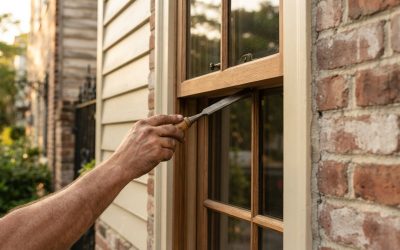
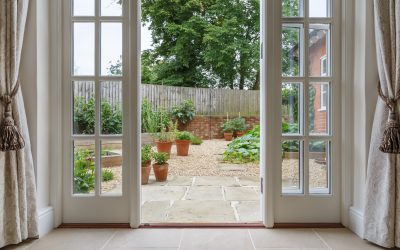
Custom wood windows are worth the investment because wood frames offer strong natural insulation, can be tailored to match any architectural style, and typically last for decades when properly maintained. For homeowners weighing material options against upfront cost, the combination of energy performance and design flexibility sets wood apart from standard vinyl or aluminum units.
Custom Wood Windows appeal to architects, builders, and homeowners who want more than a functional opening in a wall. Unlike stock window sizes, custom units are built to the exact dimensions and proportions a project calls for, which matters most in older homes, additions, or custom new builds where standard sizing does not fit existing openings. This flexibility extends to wood species, hardware finishes, and configuration choices that align with a home’s existing character.
How Wood Frames Perform on Energy Efficiency
Frame material has a direct effect on how much heat a window gains or loses throughout the year.
- Wood frames are strong, provide good insulation, and are generally favored in historical neighborhoods, with exterior surfaces sometimes clad in aluminum or vinyl to reduce maintenance.
- Insulating frame materials such as vinyl, wood and fiberglass help limit heat transfer compared to uninsulated metal frames.
- U-factor measures how well a window stops heat flow on a scale of 0.10 to 1.20, and the smaller the number, the better.
Checking the U-factor and Solar Heat Gain Coefficient on a window’s NFRC label remains the most reliable way to compare performance between wood, vinyl, and composite options before committing to a material. The ENERGY STAR certified window database lists verified wood-frame models with published U-factor ranges for buyers who want documented performance figures.
Maintenance Expectations Compared to Other Materials
|
Frame Material |
Insulation Performance |
Maintenance Needs |
Typical Lifespan Factor |
|
Wood |
Strong natural insulation |
Regular painting, staining, moisture checks |
Long-lasting with upkeep |
|
Vinyl |
Moderate insulation |
Low maintenance |
Durable, limited refinishing |
|
Aluminum |
Poor without thermal break |
Low maintenance |
Strong but conducts heat/cold |
Wood delivers insulation and aesthetic benefits, but it asks for more routine care than low-maintenance alternatives.
Wood frames require regular painting or staining, are susceptible to moisture damage, and need periodic inspection for rot and insect damage, which adds up to higher long-term maintenance costs. In exchange, wood naturally provides excellent thermal insulation due to its cellular structure and low thermal conductivity. Clad or finished wood options reduce some of this upkeep while preserving the interior wood appearance many homeowners want.
Design and Longevity Value
Custom wood windows are frequently chosen for projects where matching historical profiles or achieving a specific architectural look matters more than minimizing maintenance. Builders working on renovation projects in the USA often select wood framing specifically because it can replicate period-appropriate details that vinyl or aluminum cannot reproduce convincingly. Because wood can be repaired, refinished, and repainted rather than replaced outright, a well-maintained wood window can remain functional for many years beyond its original installation.
Factors that influence long-term value include:
1. Wood species selection, which affects durability and grain appearance.
2. Finish and protective coating quality, which determines how often repainting is needed.
3. Local climate exposure, since humid or coastal conditions increase moisture-related maintenance.
4. Hardware and glazing choices, which affect both security and thermal performance.
Portella’s Steel Doors and Windows, a manufacturer that produces custom wood window and door lines alongside steel and aluminum options, documents wood species and configuration choices as part of its product offering.
Frequently Asked Questions
Are custom wood windows more energy efficient than vinyl? Wood and vinyl both rate as insulating frame materials, and actual performance depends on the specific U-factor and construction of the unit rather than the frame material alone.
How often do wood windows need repainting? Maintenance schedules vary by climate and exposure, but wood frames generally need more frequent painting or staining than low-maintenance materials like vinyl or clad wood.
Can custom wood windows match an older home’s existing style? Custom sizing and species selection make it possible to replicate historical window profiles, which is one reason wood remains common in renovation projects.
Is custom wood a good choice for every climate in the USA? Wood performs well in many climates but requires closer attention to moisture control in humid or coastal regions compared to drier areas.
Custom wood windows represent a material trade-off: stronger natural insulation and design flexibility in exchange for more consistent upkeep than vinyl or aluminum alternatives. For buyers prioritizing long-term character and the ability to match specific architectural details, that trade-off is often considered worthwhile despite the added maintenance commitment.
Specification details for Portella’s Steel Doors and Windows are published for review by architects, builders, and homeowners researching wood window options.