Simply put:
• Mold removal is only half the job without fixing the underlying moisture problem, mold will return.
• Keeping indoor humidity between 30% and 50% is the single most effective long-term defense after remediation.
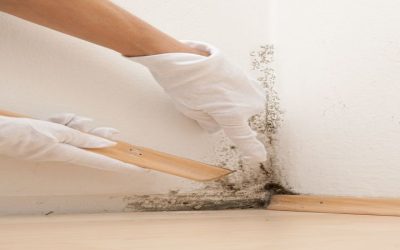
Effective mold remediation does not end when the visible growth is gone. If the moisture source is not addressed, mold will grow back after remediation. For Temecula homeowners, where warm inland temperatures can trap humidity inside poorly ventilated spaces, post-removal moisture control is the step that actually determines whether the problem stays solved.
When you hire Mold Removal Services in Temecula CA, a qualified crew will contain and remove affected materials but the structural drying and ongoing humidity management that follow are equally critical. Some mold spores can remain after cleanup, but they will not grow if moisture problems are fixed. It is also important to physically remove mold rather than only killing it, because dead mold can still cause allergic reactions.
Why Humidity Is the Root Cause of Recurring Mold
The key to mold control is moisture control. If mold is a problem in your home, you should clean up the mold promptly and fix the water problem. That sequence matters remediation first, then sustained moisture management.
According to the EPA’s mold and moisture guidance, indoor humidity should be kept below 60 percent, ideally between 30 and 50 percent relative humidity. At levels above 60%, mold can start growing within 24 to 48 hours, and dust mite populations increase significantly.
Temecula’s climate adds a specific wrinkle. Summer heat pushes residents to run air conditioning heavily, which creates cold interior surfaces where condensation forms. Without adequate ventilation, moisture may build up indoors and mold may grow. Bathrooms, laundry rooms, and crawl spaces are the highest-risk zones in local homes.
Practical Steps to Control Moisture After Remediation
The period immediately after mold removal is when moisture management habits matter most. If wet or damp materials or areas are dried within 24 to 48 hours after a leak or spill, in most cases mold will not grow.
Here are the core actions to take once remediation is complete:
• Monitor humidity daily. Relative humidity can be measured with a moisture or humidity meter, a small, inexpensive instrument available at many hardware stores.
• Run dehumidifiers in problem areas. Use dehumidifiers in damp areas and ensure proper ventilation in spaces like bathrooms and kitchens.
• Fix leaks without delay. Prompt detection and fixing of leaks prevent moisture buildup and subsequent mold infestations. Regular inspections of plumbing, roofs, and other leak-prone areas help identify issues early.
• Improve airflow. Using exhaust fans to draw out humid air from high-risk areas can significantly reduce the likelihood of future mold issues.
• Use moisture meters for hidden areas. Moisture meters assess a building material’s moisture content, indicating areas that may be at risk for mold growth. They help detect hidden moisture and allow early intervention so mold does not have the opportunity to spread.
Comparing Common Moisture Control Methods
Different tools suit different situations. Here is a quick comparison to help Temecula homeowners choose the right approach:
| Method | Best For | Limitation |
| Portable dehumidifier | Single rooms, crawl spaces | Requires regular emptying or drain setup |
| Exhaust fans | Bathrooms, kitchens | Only effective during active use |
| HVAC with humidity control | Whole-home management | Higher upfront cost |
| Moisture meter | Detecting hidden dampness | Identifies problems, does not fix them |
How long after mold removal should I run a dehumidifier? Run a dehumidifier continuously for at least 72 hours after remediation, then monitor readings daily. Keep the space below 50% relative humidity until two consecutive dry readings confirm stability.
Can mold come back if I had professional removal done? Yes, if the moisture source was not corrected. The pivotal aspect of successful mold remediation rests on controlling moisture, as managing moisture is crucial for the lasting eradication of mold.
What indoor humidity level is safe in Temecula? The same standard applies locally: indoor relative humidity should be kept below 60 percent, ideally between 30 percent and 50 percent. Aim for the lower end of that range during hot summer months when condensation risk is higher.
Should I get a post-remediation inspection? Yes. Keep detailed notes on areas treated, methods used, and the outcomes of inspections and tests. Photos before and after remediation can support the documentation. A clearance inspection confirms that spore counts have returned to normal levels before you close up walls or restore finishes.
Get Professional Help From a Local Restoration Team
Moisture control after mold removal is not a one-time task it is an ongoing commitment to your home’s health. If you are dealing with recurring mold or want a professional assessment of your home’s moisture vulnerabilities, Five Star Restoration serves Temecula and surrounding communities with mold inspection, remediation, and structural drying services. Services include mold inspection and environmental testing, safe and effective mold removal, and repairs and drying to prevent regrowth. Addressing both the visible mold and the hidden moisture source is the only way to ensure a lasting result.